

How Fast Should You Respond to New Leads?
The right response standard is not about chasing a vanity number. It is about reducing silence at the exact moment the buyer is deciding who feels reachable.
Business owners usually ask this question because they feel the tension already. Calls come in during production. Forms arrive after hours. The office wants to respond fast but cannot stop everything every time the phone rings. Some people frame the answer as one perfect minute count. That is too simplistic. A better question is this: how fast does the buyer need useful acknowledgement, and how fast does the business need a real human follow up path behind it? Those are not always the same thing, and separating them leads to much better operations.
Why Response Timing Matters So Much
New leads are unusually fragile because they arrive at the exact point of uncertainty. The buyer has noticed the problem, started evaluating options, and taken the first step toward contact. In local service businesses, that window can be short. The prospect may call two or three providers, submit a form, ask a neighbor, or return to search results within the same hour.
A delay does not always destroy the opportunity, but silence changes the buyer's perception quickly. If they hear nothing, they assume one of a few things. The business is too busy to care. The office is disorganized. No one will respond until much later. The company may still be good at the actual work, but none of that is visible yet. Response timing becomes a trust signal before price, quality, or reputation ever gets a chance to compete.
This is why owners feel missed calls and slow form replies so intensely. They are not just frustrated by the inbox. They know those moments often represent warm demand that may never come back once ignored.
Immediate Acknowledgement Is Not The Same As Immediate Human Response
Many businesses think the answer is to promise instant human response all day, every day. That sounds strong on paper, but it often creates internal chaos and broken promises. Crews are in the field. Owners are on estimates. Office staff are already juggling customers, dispatch, and production issues. If the only acceptable standard is a live human touch at all times, the business may overpromise and still disappoint.
A healthier standard separates acknowledgement from follow up. Immediate acknowledgement tells the lead that the inquiry was received and that the business is moving. Human response is the next stage, when someone with context can actually qualify, schedule, answer questions, or route the request properly.
That distinction matters because it lets the business stay responsive without pretending every lead deserves the same handling at the same second. A missed plumbing call at 7:10 p.m. can receive a fast text acknowledgement and route to an on-call path. A landscaping quote request submitted on Sunday evening can receive a prompt confirmation and a clear promise that someone will reply the next business day. In both cases, trust is protected because silence is removed.
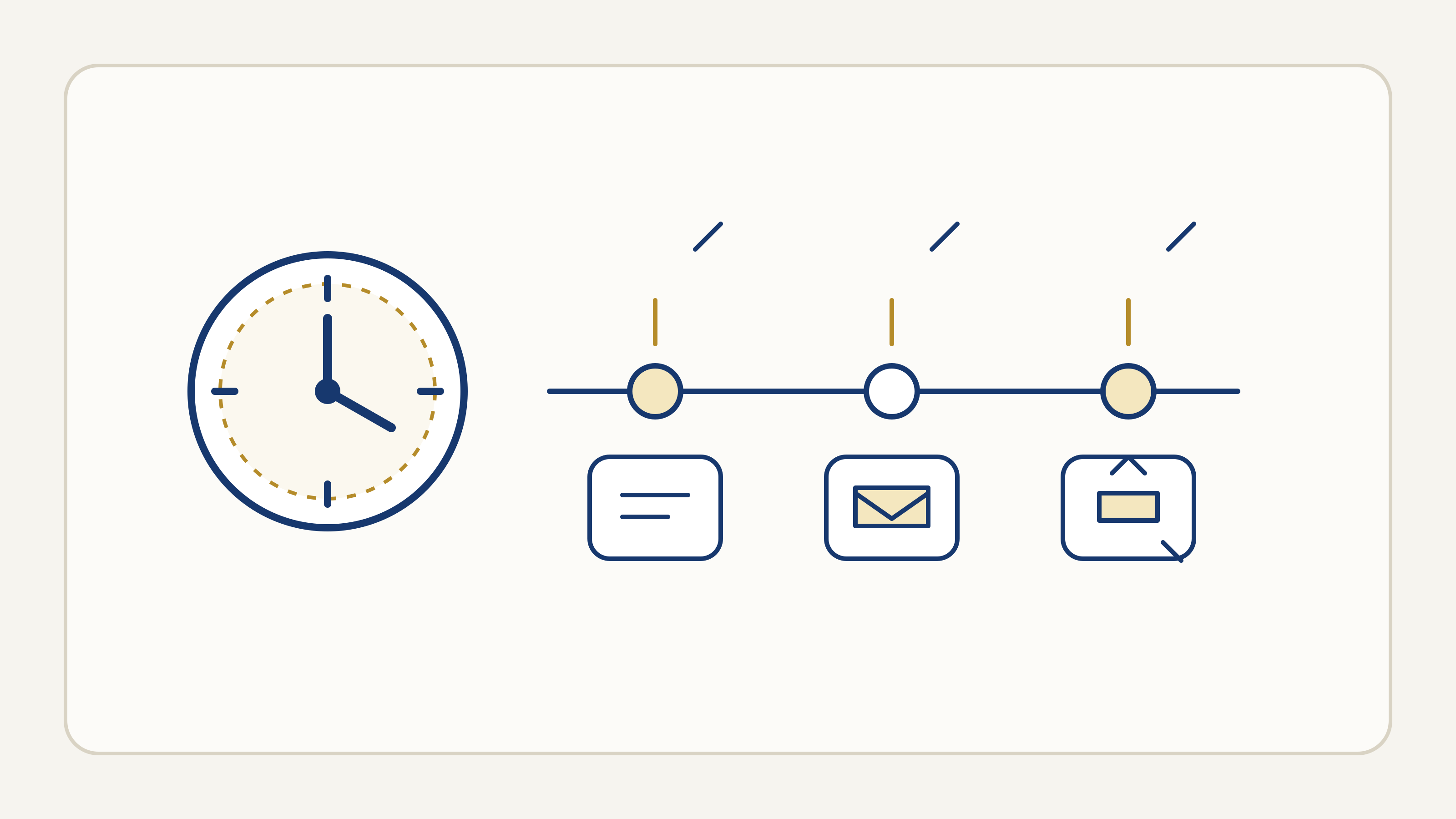
Speed to Lead Timeline
Simple system viewLead arrives
A call or form comes in while the buyer is actively comparing options.
Acknowledge
The business confirms the inquiry quickly so the lead does not feel ignored.
Route
The request is sent to the right person or workflow based on urgency and type.
Human follow up
Someone with context takes the next real step within the promised window.
Track
The business records what happened so response quality can improve over time.
What Buyers Actually Expect
Customer expectations are shaped less by formal service promises and more by everyday digital behavior. People are used to seeing immediate confirmation, visible status, and some signal that their action worked. They do not expect every service company to run like an emergency dispatch center. They do expect evidence that the business is paying attention.
That means the first question is not simply how many minutes is acceptable. The first question is whether the lead feels ignored. If a homeowner requests a roofing estimate and sees no confirmation, uncertainty begins immediately. If a garage door customer leaves a missed call with no text back, they do not know whether anyone saw it. If an electrical prospect fills out a form and the page gives no next-step clarity, they have no reason to stop shopping.
Expectation also changes by service type. HVAC, plumbing, electrical, and garage door leads often carry urgency. Tree service and roofing can become urgent around storms. Landscaping and pressure washing inquiries may be less urgent minute to minute, but they still benefit from fast acknowledgement because buyers compare based on professionalism and responsiveness as much as the work itself.
- Urgent service leads need fast acknowledgement plus clear routing
- High-consideration quote requests still need proof that someone saw the inquiry
- After-hours leads need a believable next-step expectation, not silence
- Mobile buyers especially notice friction when calls or forms disappear into a void
Why Business Hours Are Not Enough By Themselves
Many owners rely on a mental rule that says if the office is open, response will be fast, and if the office is closed, the business can wait. That breaks down in real operations. Calls are missed during business hours because the staff is busy. Forms arrive near closing time and sit overnight. Office hours say one thing, but the actual response path behaves differently.
This is one reason after-hours systems matter. A lead that arrives at 8:30 p.m. should not necessarily trigger a full human workflow right then. But it should trigger a useful acknowledgement, some basic information capture, and a clear promise of what happens next. Otherwise the next morning begins from behind.
Even during business hours, routing matters as much as speed. If the wrong person gets the lead, the contact may technically be fast but practically useless. An owner may return the call quickly but lack scheduling visibility. An office admin may answer promptly but not know how to qualify a high-value estimate request. A dispatcher may grab the message but fail to push it into a visible queue. The business then confuses activity with actual response quality.
How Automation Should Support Response
Automation is useful when it removes dead air and creates structure. It becomes harmful when it creates the illusion of service without moving the opportunity forward. The best response automation does three things well. It confirms receipt. It gathers enough context to make the next step easier. It routes the lead to the right person or workflow quickly.
This can be as simple as a missed call text back that asks whether the customer needs help with an estimate or a current issue. It can be a form confirmation that sets expectations clearly. It can be a routing rule that flags urgent plumbing or HVAC calls differently from low-urgency landscaping inquiries. The point is not to sound futuristic. The point is to keep the business from going silent at the moment trust is still being earned.
Human follow up still matters. Customers do not want a maze of automated messages. They want the business to look organized, reachable, and clear about what happens next. Automation should buy the team time and clarity, not replace judgment.
Lead Routing Is Part Of Response Speed
Some businesses focus only on first touch timing and ignore what happens next. That is a mistake. Fast acknowledgement with poor routing still creates delay. A lead can sit in the wrong inbox, bounce between staff, or wait for someone who does not own the next action.
Practical routing starts by splitting inquiries by type. Emergency or urgent service should not follow the same path as a larger project request. Estimate requests should not disappear into the same queue as customer service questions. After-hours calls should not depend on whoever happens to check voicemail first. The business needs clear ownership by category, not just general good intentions.
This matters because the fastest response is not always the most useful. A lead often values competent routing more than a rushed, low-context callback. When the handoff is clean, the business can respond with better information and more confidence, which in turn feels faster and more professional to the customer.
Practical Response Workflows For Local Service Businesses
Most businesses do not need a complex playbook to improve this. They need a few workflows that actually match how the phone and forms behave. Start with the common scenarios. Missed calls during business hours. After-hours missed calls. Website forms during business hours. Website forms after hours. Estimate follow up when the lead has already made contact. Those are the moments where speed to lead either holds trust or leaks it.
A roofing company might use immediate missed-call acknowledgement, followed by owner or office follow up within the next available block. An HVAC business might route urgent repair inquiries to an after-hours path while standard tune-up forms wait for next-day scheduling. A plumbing company may prioritize overflow and emergency jobs while letting lower-priority requests queue with a clear expectation. A garage door company may use same-day repair logic differently from replacement quote logic. The correct workflow depends on the business, but the structure should be explicit.
It is usually better to promise a believable window and hit it than to imply instant service and fail quietly. Good workflows reduce silence, protect urgency, and keep the next human step visible.
- 1 Acknowledge the inquiry immediately.
- 2 Classify the request by urgency and type.
- 3 Route the lead to the right person or queue.
- 4 Set a believable response expectation.
- 5 Record what happened so the process can improve.
What To Measure Instead Of Chasing A Vanity Benchmark
A single speed metric can be helpful, but it should not become the whole management system. Owners should care about three connected things. How quickly the business acknowledged the inquiry. How quickly a real human response happened. How often the lead still moved forward into an appointment, estimate, or next step.
This matters because some businesses can respond quickly and still sound disorganized. Others respond a little later but with stronger routing and better outcomes. The point is not to celebrate fast motion that creates poor conversations. The point is to reduce avoidable silence and make the next step easier for the right buyer.
If the team starts tracking acknowledgement timing, human follow-up timing, and stage movement together, response quality becomes much easier to manage. The business can then decide whether the real issue is staffing, process design, after-hours coverage, or routing logic.
A Better Response Standard
So how fast should you respond to new leads. Fast enough that the buyer does not feel ignored. Structured enough that the next step is clear. Honest enough that the promise can actually be kept. For most local service businesses, that means immediate acknowledgement wherever possible and fast human follow up within a well-defined window that matches urgency.
The best response systems do not depend on heroics. They depend on a clear operating path. If your team still feels like every new lead creates a scramble, the problem is not only response speed. It is the lack of a response system behind it.
Related Resources
Why Your Website Gets No Leads
The pillar guide for understanding how traffic, trust, clarity, and next-step friction affect lead generation.
Why Missed Calls Are Costing You Jobs
A practical look at how slow or missing first response leaks revenue before the sale begins.
The Five Biggest Lead Leaks in Local Businesses
A full breakdown of traffic, conversion, speed to lead, follow up, and reporting leaks across local service businesses.
Why Follow Up Breaks After The Estimate
How estimates go cold, where ownership breaks down, and what consistent follow up should look like.