

The Five Biggest Lead Leaks in Local Businesses
Most local businesses do not have one dramatic failure. They have five smaller leaks that quietly stack on top of each other until growth feels harder than it should.
A roofing company may blame the weather. An HVAC business may blame the season. A plumbing company may blame lead quality. An electrician may assume the office just needs to work harder. In practice, local growth problems usually come from a handful of leaks that compound across the lead path. If traffic is weak, the website has to work harder. If the website is unclear, response volume looks worse than it should. If response is slow, follow up starts from behind. If follow up is inconsistent, reporting gets blamed for a sales problem it never created. The business feels busy, but booked work still feels unpredictable.
Why Local Growth Usually Leaks Instead of Stops
Service businesses rarely hit a single wall that explains every missed opportunity. A more common pattern is leakage. The business gets some calls, some forms, some quotes, and some closed work. On the surface, that can look healthy. But when each stage underperforms slightly, the total revenue loss becomes large enough to change hiring plans, ad budgets, production schedules, and owner confidence.
This is especially true in local service categories like roofing, HVAC, plumbing, electrical, garage door, landscaping, pressure washing, and tree service. These businesses live on timing. The prospect has a problem now, often compares several companies quickly, and wants a clear next step without unnecessary friction. If the path between discovery and booked work is not tight, the opportunity does not pause out of courtesy.
That is why leak diagnosis matters more than broad advice. A roofing company that misses storm inspection calls has a different first fix than a pressure washing company whose traffic is broad but low intent. A plumbing business with fast callbacks but weak estimate follow up has a different bottleneck than an HVAC company whose office cannot keep up during peak season. More effort alone does not solve that. The business has to locate the leak that is most expensive right now.
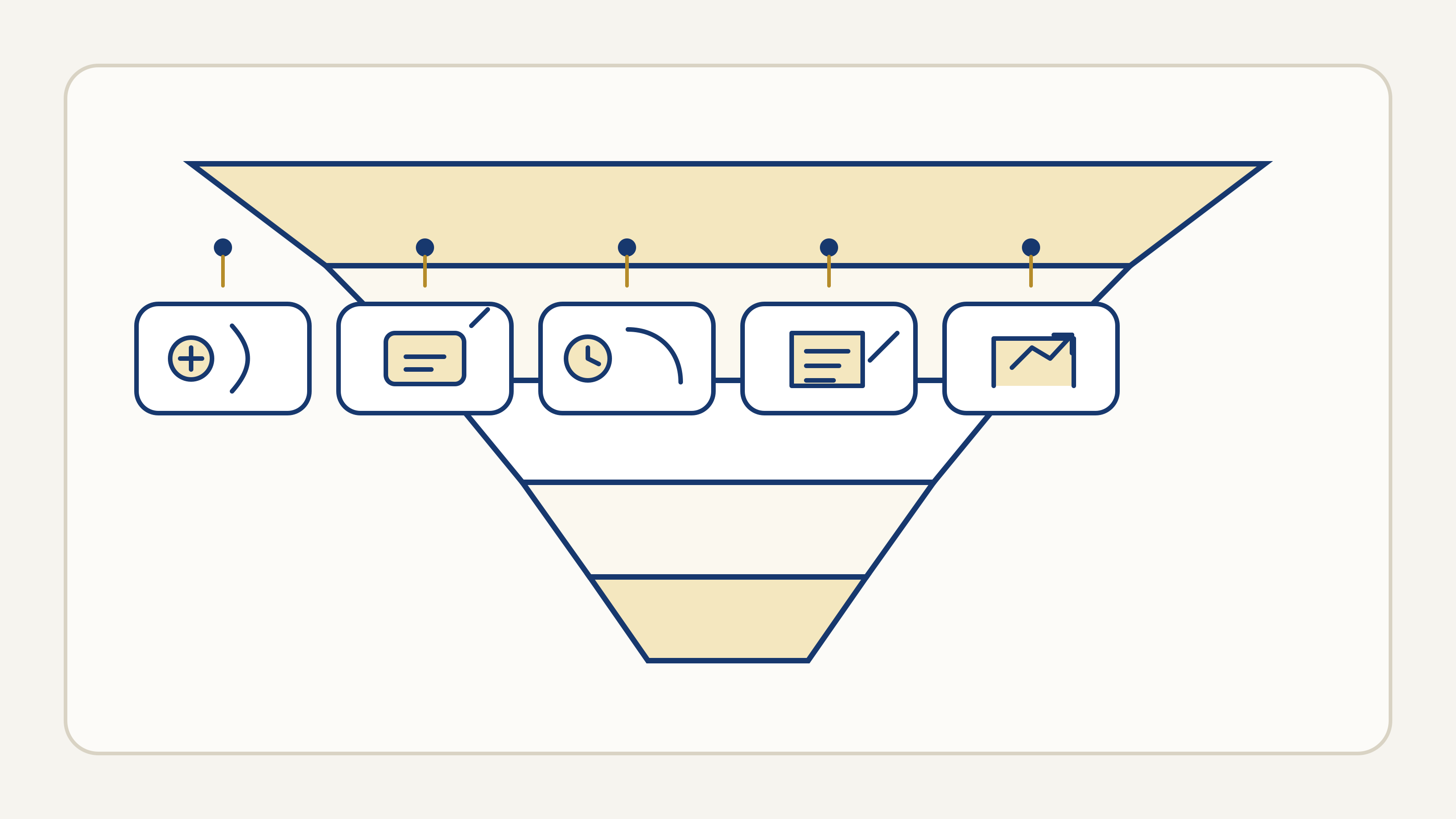
Lead Leak Funnel
Simple system viewTraffic
The business gets found through search, referrals, maps, ads, or repeat demand.
Conversion
The page or first impression either builds trust and moves the buyer forward or sends them back to comparison mode.
Response
Calls and forms are acknowledged quickly or they go silent long enough for the buyer to move on.
Follow Up
Quotes, callbacks, and open opportunities either stay active or drift into dead air.
Reporting
Ownership either sees where revenue is leaking or keeps guessing which fix comes first.
Lead Leak One, Traffic Quality
Traffic quality is the first leak because every later stage depends on it. When the wrong people reach out, the business wastes time qualifying low-fit work, the office starts to sound busier than it really is, and marketing gets judged on volume instead of value.
Take roofing as an example. A company may receive a wave of calls after bad weather, but some are outside the service area, some are looking for work the company does not actually want, and some are low-seriousness estimate shoppers who were never likely to move. The dashboard still reports activity. The field team still feels interruption. But booked jobs do not rise in the same way because the quality was weak at the top of the funnel.
HVAC and plumbing businesses run into a similar problem when campaigns attract the wrong service intent. A company may want replacement work or higher-value service calls, yet the incoming mix skews toward low-margin nuisance inquiries. Pressure washing and landscaping businesses often see this when traffic is broad but poorly filtered by location, job size, or seasonality. The result is not only wasted spend. It is a distorted view of demand.
The practical question is not whether traffic exists. It is whether the traffic creates the kind of conversations the business actually wants to scale. If the answer is no, the leak is already active before the website or office ever has a chance to perform well.
- Leads from outside the real service area
- Calls for the wrong kind of work
- Low-intent form fills that never answer follow up
- Campaign traffic disconnected from the offer on the page
Lead Leak Two, Website Conversion
Once the right visitor lands, the website has one job. It needs to make the next step feel clear, credible, and easy. Many local businesses lose the visitor here not because the design is ugly, but because the page creates too many small reasons to hesitate.
An electrical contractor may have a competent team and solid reviews, yet the page buries service areas, puts the phone number low on mobile, or forces the buyer to sort through vague copy before finding the call to action. A garage door company may be working same-day jobs well, but the site still looks generic, which makes urgency feel risky rather than reassuring. A tree service operator may show photos of equipment and crews but never explain what happens after the estimate request, so the buyer stays uncertain.
Conversion leaks are expensive because they waste intent you already earned. The visitor searched, clicked, and stayed long enough to inspect the page. If they leave without taking action, the business does not just lose that lead. It often pays again to replace that attention.
This is why the website should not be evaluated as a branding object alone. It should be evaluated as a conversion tool. Does the page quickly explain the service, geography, trust proof, and next step? Does it work well on a phone? Does the form ask only what is necessary? Does the page match the promise that brought the visitor there? Those answers usually tell you whether conversion is the leak.
Lead Leak Three, Speed to Lead
Speed to lead becomes the most expensive leak when good demand is arriving but the business responds too slowly to hold the conversation. Local buyers often reach out when they are still comparing options. They may not want a full sales cycle yet. They want confidence that someone saw the inquiry and can move them forward.
For HVAC, plumbing, garage doors, and electrical, this leak can be brutal because many calls come with a real sense of urgency. No cooling, no hot water, a stuck garage door, or a safety issue does not sit politely until the office catches up. Even in roofing, landscaping, pressure washing, and tree service, the timing window matters more than owners sometimes assume. The buyer may not need immediate labor that minute, but they still decide quickly which companies feel reachable and organized.
Speed to lead is not the same as forcing a human to answer every inquiry in seconds. A healthier standard is immediate acknowledgement followed by sensible routing. If the buyer gets a fast text after a missed call, a quick form confirmation, or a clear estimate of when someone will respond, the business protects trust while buying itself operational breathing room. If there is silence, the prospect starts solving the problem elsewhere.
Many owners miss this leak because it hides inside daily busyness. The phone rings during jobs. The form arrives at dinner. The callback gets delayed because a truck problem pulled the team off schedule. Each moment feels understandable. In the aggregate, it becomes a major revenue drain.
Related resources
Lead Leak Four, Follow Up
A business can generate the lead, answer the call, inspect the job, and still lose the sale because follow up breaks after the first serious conversation. This is one of the quietest leaks in local business because the opportunity looked real enough to count, then disappeared without a clear reason.
Roofing companies see it after inspections when estimates are sent without a structured follow up rhythm. Landscaping companies see it on project quotes that feel promising but get lost once crews get busy. Pressure washing businesses see it on seasonal estimates that were warm for a few days and then vanish. Tree service companies see it when the prospect needs time to compare large jobs and nobody owns the next touchpoint.
The point of follow up is not to nag. It is to manage momentum. The business should know what was sent, when it was sent, who owns the next action, and how long the opportunity has been sitting. That is a process issue, not just a salesperson personality issue. When the system is weak, owners often assume the prospect was never serious. In reality, many buyers simply need one more well-timed contact, one more clarification, or one more nudge toward scheduling.
If this leak is active, more traffic often makes the business feel worse rather than better. The pipeline gets fuller, but the number of unmanaged opportunities grows with it.
Related resources
Lead Leak Five, Reporting
Reporting is the fifth leak because it controls decision quality across all the others. When the business cannot see where opportunities came from, how quickly they were handled, and what happened afterward, every improvement conversation becomes opinion-driven.
An HVAC owner may believe the ads are weak when the real problem is slow first response. A roofing company may believe close rates are fine when the estimate stage is full of silent losses. A plumbing business may think it needs more calls when the existing calls are already enough, but nobody can trace which service lines close well and which ones waste time. Weak reporting does not just hide the leak. It often sends the budget in the wrong direction.
Good reporting should connect traffic source, response timing, pipeline status, and booked work. That does not require an overbuilt dashboard. It requires answers to a few operational questions that matter. Where did this lead come from. How fast did we respond. Did it become an appointment. Was an estimate sent. Was it accepted, declined, or abandoned. Which services or locations perform best. If the business cannot answer those clearly, reporting is not helping ownership manage the system.
This is also where bottlenecks compound most visibly. Without reporting, a traffic problem can be mistaken for a sales problem. A conversion problem can be mistaken for a staffing issue. A follow-up problem can be blamed on seasonality. The business keeps moving, but learning slows down.
How The Leaks Compound
The most important thing to understand is that these leaks do not stay isolated. A weak website makes traffic look worse because fewer good visitors convert. Slow response makes the website look worse because some form fills were fine, but the silence after submission erased the lead. Weak follow up makes traffic feel insufficient because the business assumes the market is the problem rather than the sales path. Weak reporting makes every other conversation harder because the owner cannot tell which explanation is true.
This is why local businesses often feel stuck even while real opportunity exists. The owner tries to solve each symptom separately. More ads for the traffic problem. A redesign for the website problem. A new CRM for the sales problem. A dashboard for the reporting problem. But if the main leak stays untouched, the improvements do not stack the way they should.
A local business does not usually need perfection across all five areas at once. It needs to identify which leak is currently costing the most revenue and fix that one first. Once that stage tightens, the next constraint becomes easier to see.
How To Identify The Leak Costing The Most Revenue
Start with the last stage you can measure clearly, then work backward. If there are not enough qualified conversations, inspect traffic quality. If the traffic seems right but calls and forms are weak, inspect conversion. If calls and forms exist but response is inconsistent, inspect speed to lead. If estimates are being sent but jobs are not closing, inspect follow up and pipeline management. If nobody can agree on which of those is true, inspect reporting first.
You do not need perfect analytics to make a good diagnosis. You need a structured review of the lead path. Look at recent calls. Look at open estimates. Look at service pages. Look at response timing after hours. Look at whether staff can tell you who owns the next action for current opportunities. Most businesses reveal the leak quickly once they stop asking broad questions and start inspecting the path stage by stage.
That is the practical value of bottleneck thinking. Instead of asking how to get more business in general, the owner asks where real opportunities are being lost right now. That question creates much better decisions.
A Better Way To Tighten Local Lead Flow
Veyro Group helps local service businesses inspect the entire path between traffic, website conversion, calls, forms, follow up, estimates, and booked work. The goal is not to prescribe the same fix to every business. It is to identify the most expensive leak and improve that stage first.
If a business owner already knows one of these five areas feels weak, this article should help narrow the diagnosis. If the answer is still unclear, the next move is not a random tactic. It is a Lead Flow Review built to find the bottleneck before more time and money get pushed into the wrong layer.
Related Resources
Why Your Website Gets No Leads
The pillar guide for understanding how traffic, trust, clarity, and next-step friction affect lead generation.
How Fast Should You Respond to New Leads?
A practical response-time guide covering acknowledgements, routing, after-hours communication, and human follow up.
Why Follow Up Breaks After The Estimate
How estimates go cold, where ownership breaks down, and what consistent follow up should look like.
Why More Leads Won’t Fix a Broken Sales Process
Why buying more traffic often magnifies weak pipeline visibility, weak follow up, and weak close rates.
Why Marketing Reporting Still Feels Blind
Why disconnected tools create weak decisions, and what useful reporting should actually show.