
Why More Leads Won't Fix a Broken Sales Process
More leads feel like the obvious answer when revenue is inconsistent, but extra demand only helps when the sales path behind it is stable enough to convert.
Owners usually reach for more leads because traffic is visible and buying more attention feels actionable. A campaign can launch quickly. A vendor can promise volume. A new channel creates the sense that growth is being addressed. But if the sales process behind the lead is weak, more traffic does not fix the problem. It magnifies it. The business gets busier, the pipeline grows noisier, follow up becomes less consistent, and management still cannot explain why closed revenue did not rise the way lead count did.
Why Owners Reach For More Leads First
Lead generation is one of the easiest parts of growth to imagine from the outside. If the business wants more jobs, then surely it needs more opportunities at the top of the funnel. That is sometimes true. It is also one of the most common ways owners spend money before diagnosing the real bottleneck.
The temptation is understandable. Lead counts are easy to compare week over week. Traffic reports are easy to screenshot. Sales process issues feel messier. They involve people, consistency, process design, software habits, and sometimes uncomfortable accountability gaps. It can feel easier to assume demand is thin than to inspect what happens after the inquiry lands.
But in local service businesses, the difference between opportunity volume and booked revenue often has more to do with the sales path than the raw number of incoming leads. If the pipeline is already leaking, buying more attention simply pours more water into a cracked system.
What A Broken Sales Process Actually Looks Like
A broken sales process is rarely dramatic. It is usually inconsistent. Some calls are handled well. Some estimates get followed up. Some prospects receive clear next steps. Others sit in inboxes, notebooks, or employee memory. The business closes enough deals to keep moving, which makes the real leak easier to ignore.
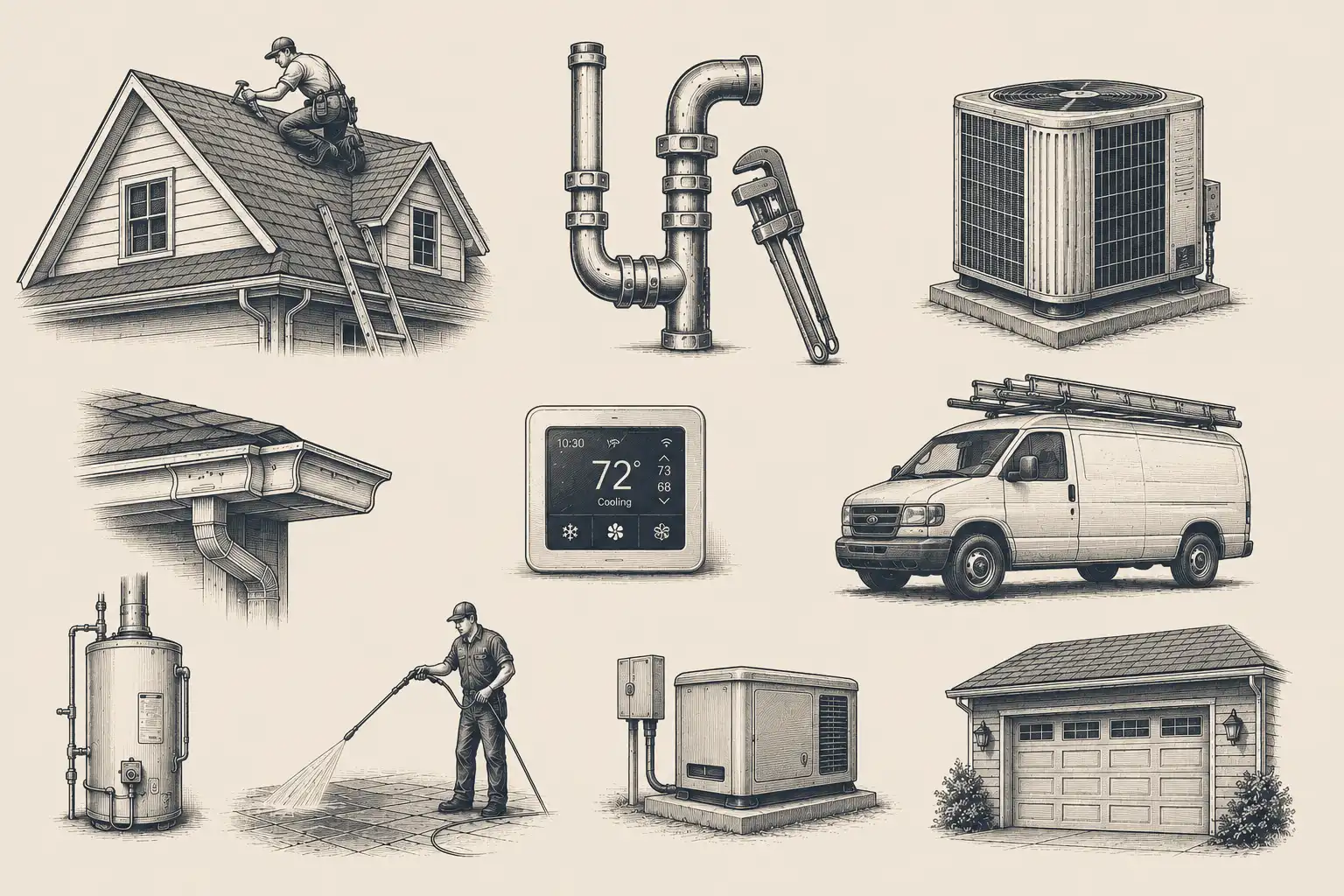
Roofing companies may inspect a job quickly but fail to structure follow up once the estimate is sent. HVAC and plumbing businesses may respond well to urgent service but lose replacement or larger project opportunities because nobody owns the proposal stage. Electrical contractors and garage door businesses may run strong field operations but weak pipeline hygiene. Landscaping, pressure washing, and tree service companies may quote actively during peak season and then lose visibility once volume rises.
A broken process often sounds like this. We thought that customer was going with us. I assumed someone called them back. I sent the estimate but they never answered. I did not know the proposal was still open. Those phrases point to process gaps, not just tough buyers.
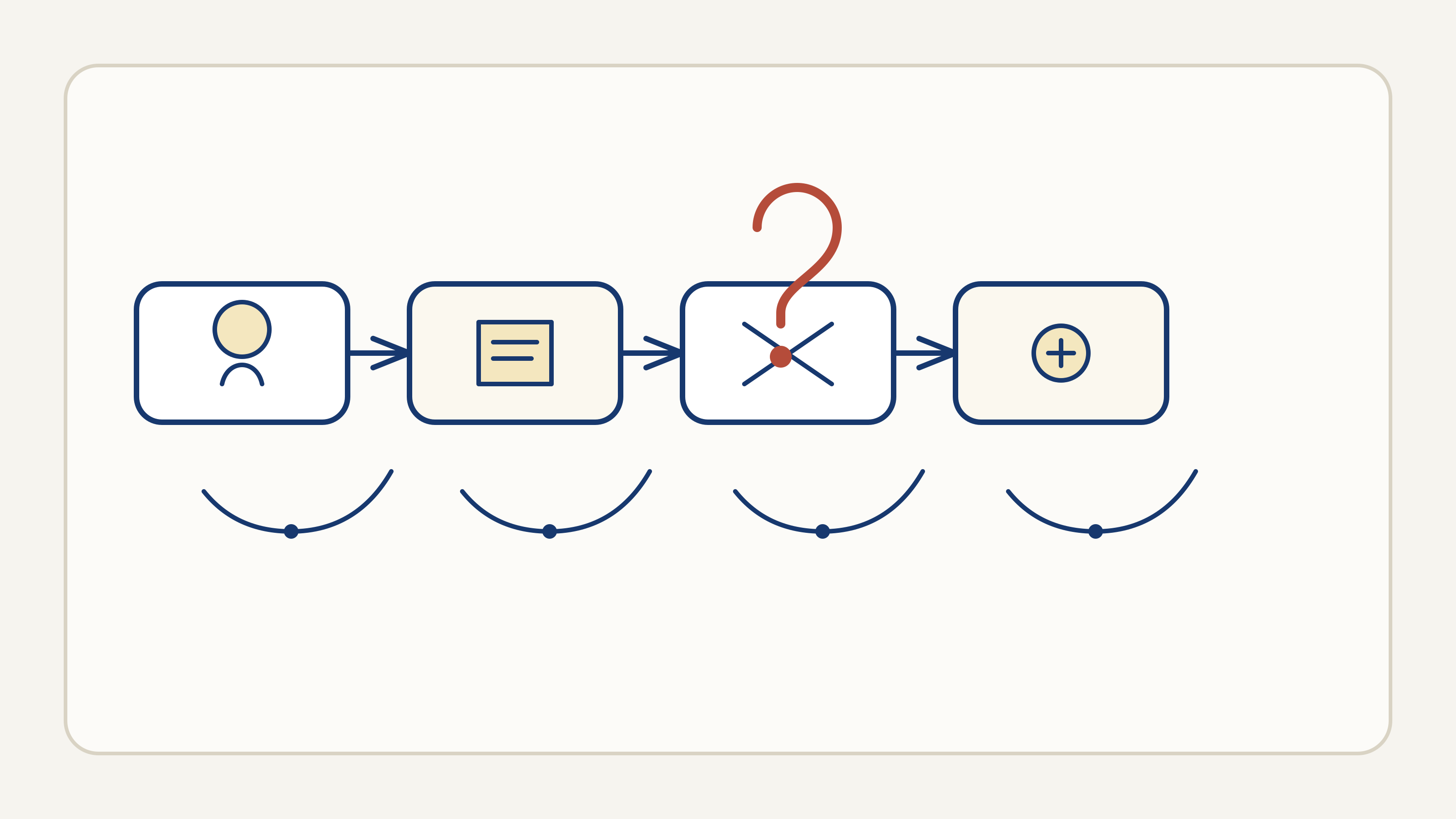
Sales Pipeline Flow
Simple system viewInquiry
A real lead arrives and gets qualified enough to move forward.
Estimate
Scope, pricing, or scheduling context gets delivered clearly.
Follow up
The business keeps ownership of the next touchpoint instead of waiting passively.
Decision
Questions, timing, objections, and logistics are managed with visibility.
Outcome
The job is won, lost, or parked with a clear reason rather than vague silence.
Why More Leads Usually Make The Problem Worse
If the sales process is weak, more leads create the impression of progress without the revenue support behind it. The phone rings more. Forms increase. Calendars get noisier. Staff feel overloaded. Management sees activity and assumes the top of funnel is improving. But if close rates, response quality, and follow up discipline do not improve at the same time, the extra demand only creates more unmanaged opportunities.
This is why more traffic can make the office feel buried while the owner still feels disappointed. The business is doing more work around leads without converting proportionally more of them. That gap creates frustration and misdiagnosis. Marketing gets blamed for low close rates. Sales gets blamed for bad leads. Operations gets blamed for being too busy. In reality, the business may simply be amplifying a broken middle stage.
For example, a garage door company running same-day ads may drive plenty of calls, but if replacement estimates never receive structured follow up, the business will keep paying to attract attention without fixing the part that closes the higher-value work. A landscaping company may generate dozens of seasonal quote requests, but if nobody can see which proposals are still open, buying more traffic just floods the same blind pipeline.
Lead Quality Still Matters, But It Is Not Always The First Problem
Owners often blend two issues together. One is bad lead quality. The other is weak sales handling. Both can be real, but they are not the same. A company may attract some poor-fit inquiries and still be losing too many good ones because the process is inconsistent. If the business focuses only on filtering traffic while ignoring sales leakage, it risks cleaning the top of the funnel while the middle still leaks.
A better approach is to examine what happens to the strong leads. When qualified prospects call, do they get scheduled or stalled. When estimates are sent, do they move forward or disappear. When prospects hesitate, is there a follow up path or only wishful thinking. Those questions usually reveal whether the problem is primarily quality, primarily process, or both.
This matters because buying better traffic is useful only when the business is equipped to capitalize on it. Otherwise, the owner spends more to bring in leads that enter the same broken machine.
Pipeline Visibility Is A Sales Tool, Not Just A Reporting Tool
A lot of businesses treat CRM use and pipeline tracking like admin overhead. That mindset creates leakage because it hides active opportunities in too many places. Some are in email. Some are in voicemail. Some live in a tech's notes. Some sit inside a quoting platform. Some exist only in the owner's head. Once that happens, follow up becomes optional by accident.
Pipeline visibility should answer a few simple questions. What opportunities are open right now. What stage is each one in. What is the next action. Who owns it. How long has it been sitting there. Without those answers, the business does not really have a sales process. It has scattered sales activity.
This is where a CRM can help, but only if the business actually uses it to manage movement rather than just store contacts. Good CRM usage creates visibility and accountability. Bad CRM usage creates false confidence because the software exists but the operating habits do not.
- Every active opportunity should have a visible stage
- Every stage should imply a next action
- Every next action should have an owner
- Every stalled opportunity should be easy to spot
Estimate Follow Up Is Where Revenue Quietly Disappears
Estimate follow up deserves special attention because it sits at the point where many service businesses stop being proactive. The inquiry happened. The site visit happened. The quote went out. Everyone feels like the heavy lifting is done. Then the proposal stalls because the buyer has questions, gets distracted, compares other options, or simply does not feel urgency anymore.
Without a follow-up system, the business waits passively and mistakes silence for rejection. In reality, many opportunities are still alive, but they need structure. A useful reminder. A financing clarification. A scheduling update. A short check-in that confirms the quote was received. These are not aggressive tactics. They are normal steps in a managed sales path.
This is why estimate-stage leakage is one of the clearest reasons more leads fail to help. If the company cannot manage warm opportunities that already reached proposal stage, adding more top-of-funnel activity only creates more unclosed work in progress.
Operational Systems Affect Close Rates More Than Owners Expect
Sales outcomes are shaped by more than scripts and personality. Operational systems affect close rates because they determine how cleanly the business moves from inquiry to inspection to estimate to scheduled work. If dispatch is messy, callbacks are delayed. If quote ownership is unclear, momentum fades. If production schedules are uncertain, staff hesitate to commit confidently. If reporting is weak, nobody learns which stage needs the most work.
This matters in local service businesses because the sales path is often tied tightly to operations. A roofing estimate depends on inspection scheduling. An HVAC replacement quote depends on follow-up timing and financing discussion. A tree service proposal may depend on crew availability. A pressure washing or landscaping job may depend on route efficiency and seasonality. The better the operating system, the easier it is for sales communication to feel confident and believable.
Owners who want higher close rates often need better operational handoffs as much as better persuasion. That is why the fix is usually systemic rather than motivational.
How To Tell Whether You Need Better Sales Before More Traffic
Start by looking at the leads you already believe were good. If the business generates qualified inquiries but still feels inconsistent, inspect the sales path before increasing spend. If the team cannot clearly explain why recent opportunities were won or lost, inspect pipeline visibility. If estimates are sent but follow up is loose, fix that before scaling traffic. If the office still cannot tell which leads received human response and which ones stalled, the process is not ready for more volume.
A practical diagnostic is to review a sample of recent leads from inquiry through outcome. Did they receive timely acknowledgement. Was the next action clear. Was the estimate delivered cleanly. Did someone follow up. Is the final status visible. That review usually makes the bottleneck obvious quickly.
If the business already has enough opportunity to expose these gaps, buying more traffic is not the first move. Tightening the process is.
A Better Growth Sequence
The right order is simple. Make sure traffic is at least directionally qualified. Make sure the website and first response path are clear enough to capture interest. Then make sure the sales process can actually manage the opportunities already coming in. After that, increase traffic with confidence because the middle of the system is no longer quietly wasting the added demand.
This sequence is less exciting than buying leads immediately, but it is far more likely to produce sustainable revenue. More leads should scale a working system. They should not be used as a substitute for one.
Related Resources
Why Your Website Gets No Leads
The pillar guide for understanding how traffic, trust, clarity, and next-step friction affect lead generation.
Why Follow Up Breaks After The Estimate
How estimates go cold, where ownership breaks down, and what consistent follow up should look like.
Why Marketing Reporting Still Feels Blind
Why disconnected tools create weak decisions, and what useful reporting should actually show.
The Five Biggest Lead Leaks in Local Businesses
A full breakdown of traffic, conversion, speed to lead, follow up, and reporting leaks across local service businesses.